This month we were joined by Anna Wienke, a recent graduate about to tackle a Masters this Autumn, this is what Anna wrote about her experience.
The increasing power of social media (Facebook, Twitter, Youtube, etc.) to impact the political realm and the significance of this global development can no longer be denied and shouldn’t be ignored.
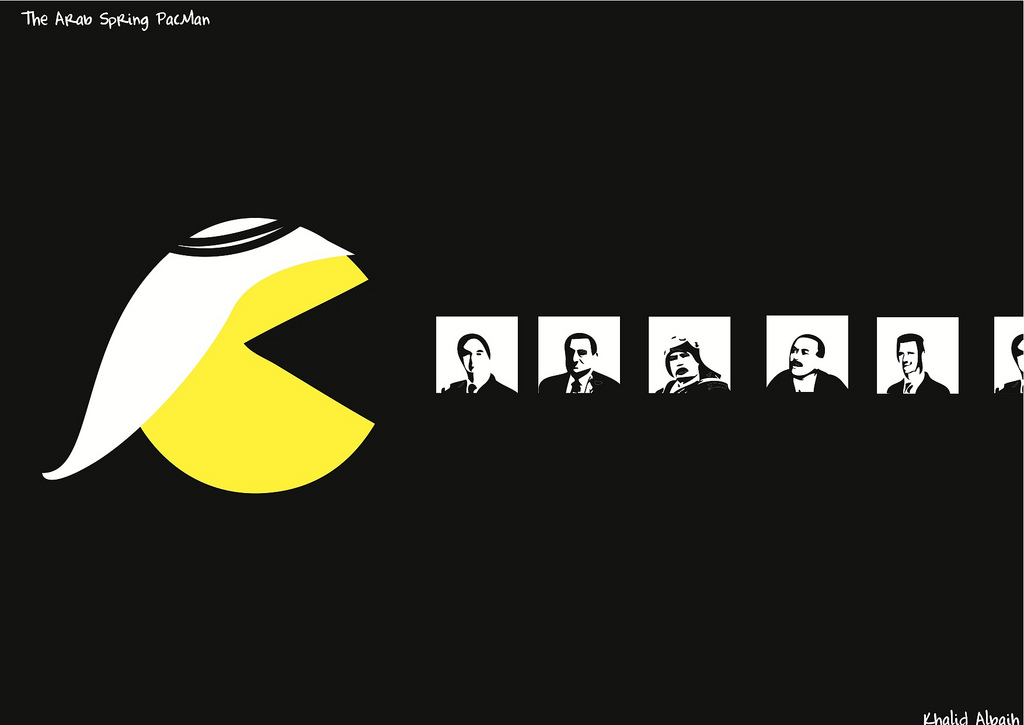
Upon arriving at Crowd I expected to get involved in a lot of different activities, but certainly not that I would get to spend a large portion of my time at a Web Development and Social Media Marketing Agency actually researching the significance of social media; and that I would receive the task of doing this with a focus on the influence and impact it has had on political processes globally and locally. Given my background of having completed a Bachelor focusing on Philosophy, Politics and Economics and the interrelation between these three disciplines and commencing my Master in Critical Global Politics this autumn, this research project sounded incredibly exciting to me. Although being an active user of social media myself and having been interested in global politics for a number of years now, I have to admit that the increasing significance of social media in politics and the time worthy research focus this provides, had completely escaped me.
International events, such as the Obama election campaign and his revolutionary success, or the Arab Spring, which witnessed the protests and national uprising of thousands of people who had been subject to autocracies for years are only two events that highlight the immense opportunities that social media usage provides for political leaders and seemingly insignificant individuals alike. In both examples it is clear that the effective way in which social media was used to some extent enabled and aided its success. However, what is it that has made social media and networking so popular and more importantly efficient?
A simple fact that highlights the scope of this development is that social media usage has become the number 1 activity on the web.
My research suggested that above all Facebook, Twitter, Youtube, etc. provide an easy, inexpensive and fast means of transferring skills and information and thereby lower traditional socio-economic barriers. In the Obama election campaign Twitter in particular was extremely empowering in that it allowed Obama to connect with voters and communicate ideas on a seemingly individual level. By replying and re-tweeting followers’ tweets, he was able to create a conversation that kept existing followers satisfied and simultaneously attracted more followers. Furthermore, politicians are always looking for ways to get their message across without having it filtered or altered. Twitter along with other social networks can fill this need as well as help increase the amount of press coverage a politician gets. In the Arab Spring Facebook was the primary social network used because along with providing the potential to mobilise, it conveyed to members the highly motivating realisation that they have big numbers and could also act as a megaphone by drawing attention from citizens and governments outside the country.
Whilst these two cases clearly demonstrate positive effects of social media usage in the political realm, it is important to note that there have also been cases where it has had negative effects: New York Congressman Anthony Weiner was forced to resign after he tweeted a lewd photo; Michigan Congressman Peter Hoekstra caused a security risk when he tweeted that his congressional delegation had just landed in Iraq and Missouri Senator Claire McCaskill had to apologise after being criticised for tweeting on the House floor during Obama’s first State of the Union address (Parmelee & Bichard, 2012). Furthermore, Twitter in particular has been criticised for being a digital tool that facilitates popular protest formation and for making it too easy for people to be influenced by other people’s reactions.
Whilst a pro and con discussion is certainly insightful, I think to me the bigger issues associated with these international developments – the idea that the internet and more specifically the social networks mentioned have gained power to the extent that they have enabled Obama to win an election nobody initially thought he would win and a nation’s citizens to overthrow their government – are incredibly intriguing and worthy of further investigation. What impact will this reality have on democracy and on individual nation states? What sort of reactions can we expect? In fact, I have become so interested in social media and the impact it already has and will continue to have on politics and democracy, that I have decided to write my Master Thesis on the questions and concerns this raises. Clearly, I’ve had a great 2 weeks with Crowd and would like to take this opportunity to thank the entire team once again for their time.
At Crowd we are always interested in working alongside talented individuals that have a similar passion for any of the areas we operate in, whether it be web design, branding and communications, or design and development, we welcome any students who want to learn more and also keep us on our toes!